Standard Portable Toilet
The unit most people picture when they hear "porta potty." It's the workhorse of the industry — simple, durable, and the most economical way to add restroom capacity to a job site or outdoor event.
Standard Unit FAQs
Do standard portable toilets need electricity or water?
No. A standard unit is self-contained with a sealed holding tank, so it needs neither a power source nor a water hookup. It only needs firm, reasonably level ground and a clear path for the delivery and service trucks.
Can a standard unit be used at a wedding?
It can, especially for casual or budget-conscious events, but many couples choose deluxe flushable units or a restroom trailer for a more finished feel. A mixed setup is also common. Ask your provider what is available locally.
What happens if a standard unit is placed on soft ground?
It may lean, sink, or be hard to service. If the site is a lawn or has been rained on, mention it when booking, as the provider may suggest a firmer spot, boards, or a different drop-off point.
How often does a standard unit need servicing?
It depends on usage, number of users, and the provider's routes. Light use may go several days between visits, while crowded sites need more frequent service. Confirm the schedule with your provider when you book.
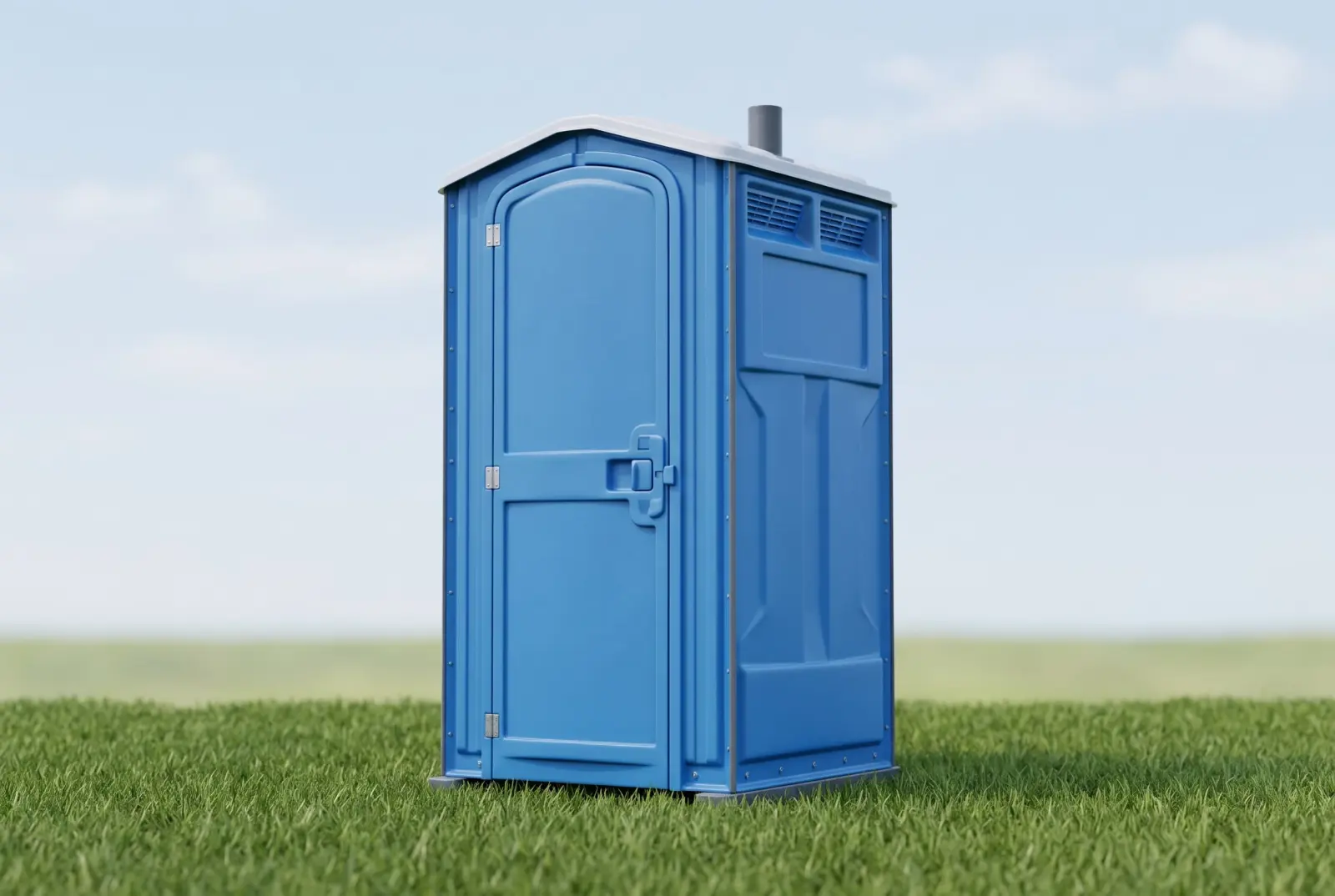
What's Inside a Standard Unit
A standard portable toilet is a self-contained, non-flushing unit built around a molded plastic enclosure. Inside you'll typically find:
- A toilet seat set over a sealed holding tank
- A urinal on most unisex models
- A hand sanitizer dispenser near the door
- A roof vent to help manage odor
- A latch with a vacant/occupied indicator
- A toilet paper holder and a small interior shelf
There is no running water and no flush. Waste and a chemical deodorizer sit in the sealed tank until the unit is serviced. That simplicity is why it is the most economical option and why it can go almost anywhere a delivery truck can reach.
Best Uses
- Construction and job sites
- Casual outdoor events such as block parties, fairs, and sports tournaments
- Agricultural and remote work sites
- Temporary staging areas and emergency deployments
If guest impression matters, as at a wedding or corporate gathering, many providers suggest a deluxe flushable unit instead.
When a Standard Unit Is Not the Right Choice
A standard unit has limits. Someone who uses a wheelchair cannot realistically enter one, so public events need an ADA accessible unit in the mix. A long formal event may leave guests unhappy with a basic interior. And a site with food service needs a separate hand wash station, since the sanitizer dispenser is not a replacement for soap and water.
Site Requirements
- Ground: firm, reasonably level, and dry. Soft lawn or fresh fill can let a unit tilt or sink, so some providers ask for plywood or pavers.
- Access: a clear path from the road for the delivery truck, and later for a pump truck with its hose, with no low branches, gates, or parked vehicles in the way.
- Power and water: none needed. This is the main reason a standard unit suits remote locations.
- Wind: in open, exposed sites ask whether the unit can be staked or anchored.
Common Mistakes
- Ordering by headcount alone and ignoring how long people stay on site or whether alcohol is served.
- Placing the unit where the service truck cannot get close, which can delay or complicate servicing.
- Skipping a discussion about servicing frequency until the units are already full.
- Putting the door facing a public walkway or the main work area.
- Assuming one unit per site is enough because the first day felt fine.
Seasonal Notes
In summer heat, closed plastic units warm up and odor builds faster, so shaded placement and a tighter servicing schedule help. In freezing weather, ask the provider about winter-ready deodorizer or anti-freeze additives, since liquid in the tank can freeze. Heavy rain makes soft ground the main risk, so plan a stable pad or gravel approach.
How Many Do You Need?
There is no single number that fits every site. Headcount, hours on site, and servicing frequency all change the answer, and some job sites are subject to OSHA or state rules. Tell the provider your numbers and ask for a recommendation. Our construction rental page covers job-site planning, and the unit comparison hub puts all types side by side.
Servicing
Servicing typically means pumping the tank, rinsing, adding deodorizer, and restocking paper and sanitizer. The right frequency depends on how many people use each unit, so ask about it when you book rather than after the first complaint. The placement guide explains what a service visit needs from your site.