Emergency & Disaster Relief Porta Potty Rentals
When a storm, flood, or utility outage takes plumbing offline, portable sanitation can bridge the gap. Here's how emergency deployment typically works, and what realistically affects how fast it can happen.
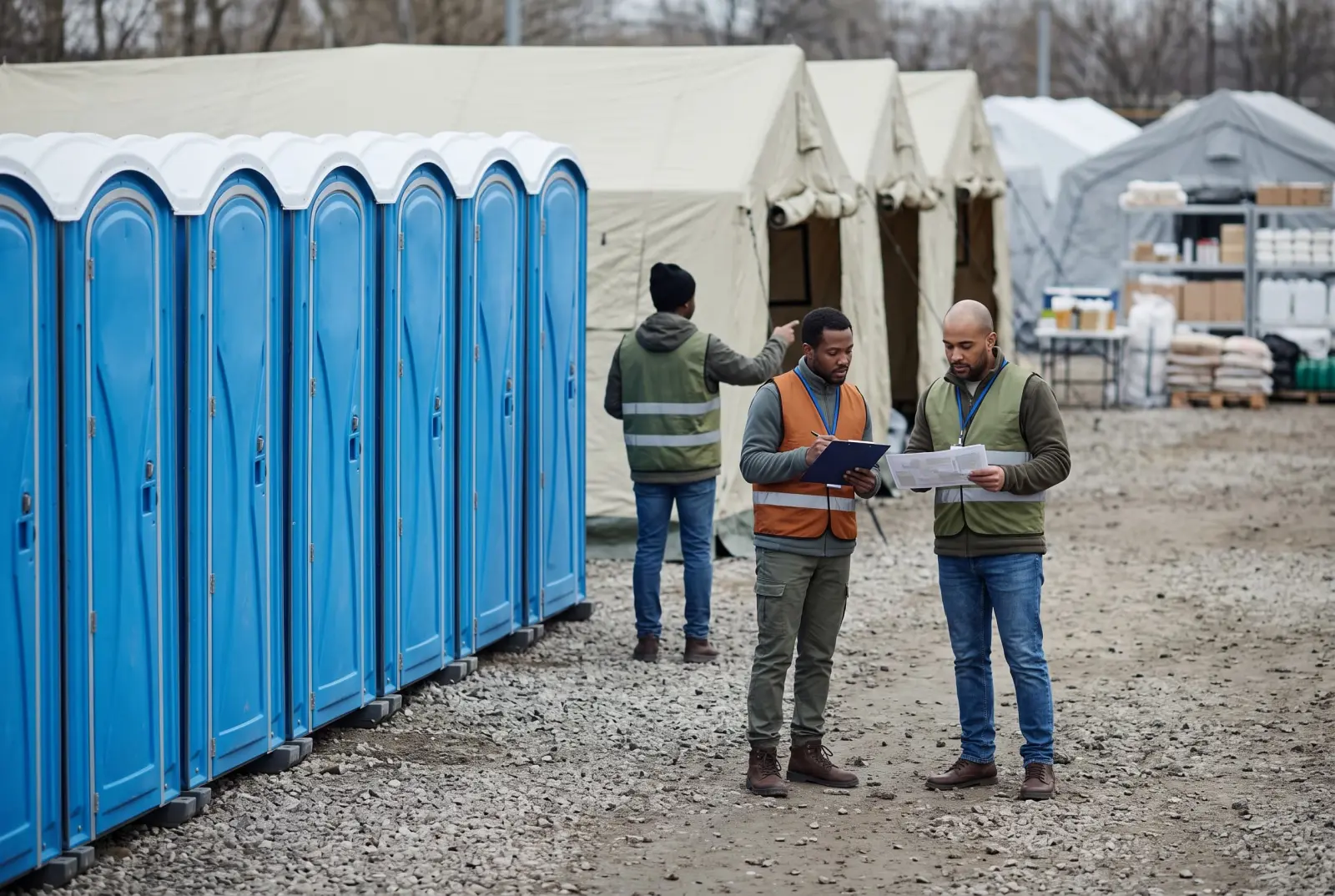
When Emergency Sanitation Is Needed
Plumbing and sewer service can fail from storms, flooding, extended outages, water main breaks, or building system problems. A property, job site, or temporary shelter may then need restrooms before normal service returns. Portable sanitation fills that gap.
Availability Is Real, Not Guaranteed Instant
Emergency and rush requests depend on local provider capacity. A widespread event such as a regional storm can strain availability across many customers at once. Calling early, even before a forecast storm arrives, improves your chances of being scheduled ahead of the rush.
A Worked Planning Scenario
Picture a community center whose basement floods after heavy rain, taking its restrooms offline while it serves as a daytime shelter. Illustrative only, not a quote:
- Hour one: the facility manager decides who is the single contact, confirms the street address, and photographs where units could go.
- First calls: the manager asks about earliest availability, what unit types are in stock, and whether a hand wash station can come with them.
- Placement: units go on level pavement near the entrance, away from the flooded area and storm drains, with a lit, clear path and room for the service truck.
- Day two: staff check supplies, ask about service frequency, and decide whether an ADA unit is needed.
- Recovery: as the building's plumbing is repaired, the manager schedules pickup.
First-Day Checklist
- Name one contact who can answer the phone and meet the driver.
- Write down the exact address and how trucks reach the spot.
- Estimate how many people will use the site and for how long.
- Ask about standard units, hand wash stations, and accessible options.
- Pick drop spots that are level, dry, and away from flood water.
- Ask for the servicing schedule and a number to call if units fill early.
Coordinating With Property Managers and Emergency Management
Larger situations are often coordinated through a property manager, facilities team, or local emergency management office. One point of contact for gate codes, access hours, and site instructions speeds everything up. Public agencies may have their own contracts or procedures, so ask whether a request should go through them first.
Unit Types for Rush Deployment
Standard units are generally the easiest to source on short notice. Pairing them with a hand wash station supports hygiene when running water is unavailable. If residents or workers use wheelchairs, ask about an ADA accessible unit early because supply can be limited.
Common Mistakes
- Waiting for the water to recede before calling.
- Placing units on ground that could flood again or sit near storm drains.
- Skipping a servicing plan because the situation looks short-term.
- Giving several people the job of talking to the provider.
- Forgetting accessible needs for residents or staff.
Shelters and Temporary Housing
Continuous use at shelters and temporary housing sites generally calls for more capacity and more frequent servicing than an event of the same size. Share occupancy and hours of use with the provider, and check with the shelter operator or emergency management office for any required standards. Our emergency rental service page covers how requests are handled.
Emergency Sanitation FAQs
Can portable toilets be delivered the same day in an emergency?
Sometimes, depending on local provider availability and demand at that moment. Widespread events such as storms can strain supply across a region, so call as early as possible rather than assuming instant dispatch.
What unit types are typically used for emergency deployments?
Standard units are usually the most readily available. Hand wash stations are often added for hygiene, and accessible units should be requested early if anyone on site needs them.
Who should place the request for a shelter or multi-building site?
Often a single designated contact such as a facilities manager, property manager, or emergency management coordinator. Having one contact avoids conflicting instructions for the driver.
Can I request units before a storm arrives?
You can call ahead and ask about scheduling, though availability depends on the provider and the forecast. Early requests generally give you more options than waiting until the event has passed.