Porta Potty Placement & Servicing Guide
Where a unit sits and how it's serviced affects everything from guest experience to whether your delivery truck can even reach the spot. Here's a general guide, though exact requirements vary by provider and local rules.
Placement Guide
Good Placement vs. Placement to Avoid
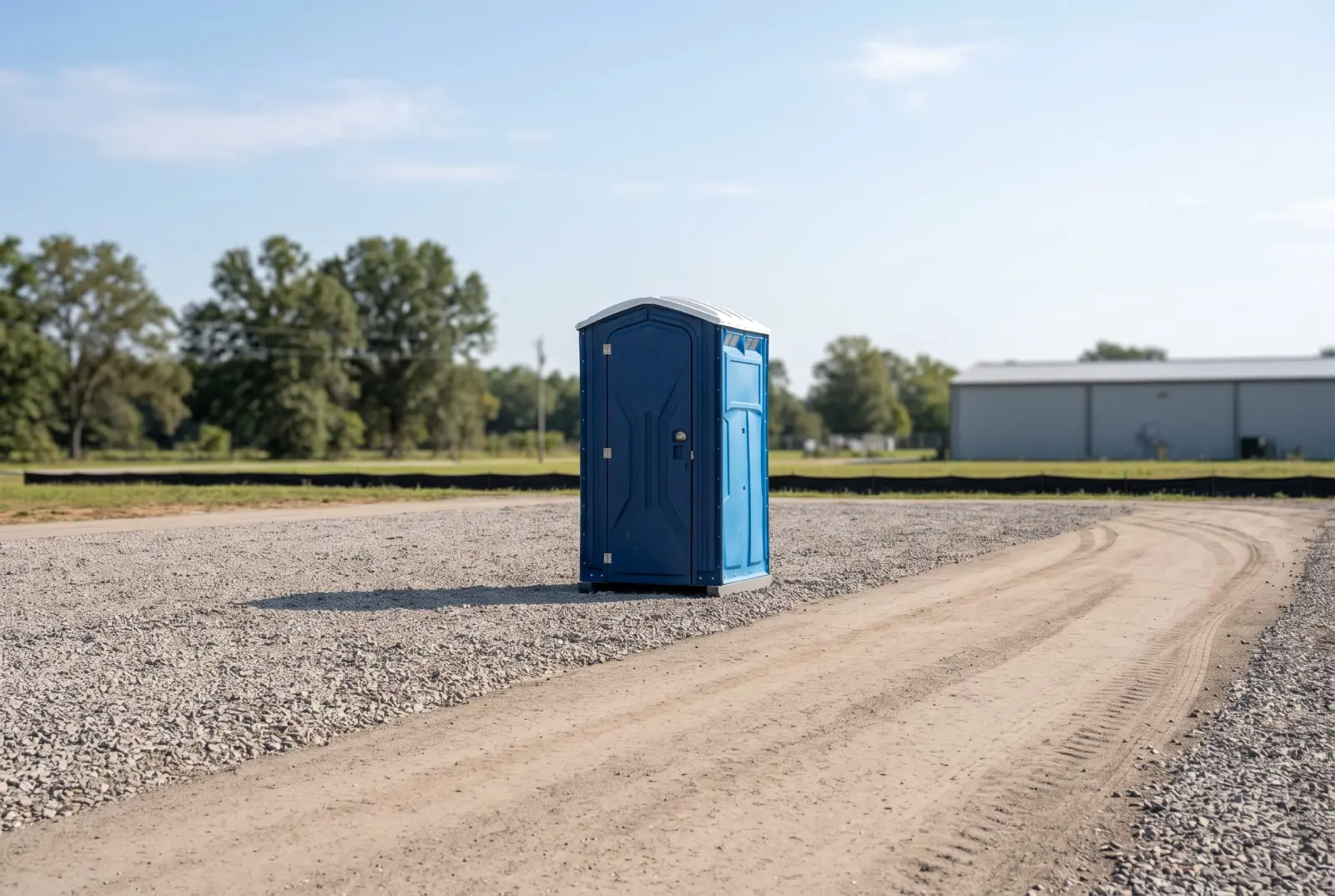
Good Placement
- Flat, level, stable ground (grass, gravel, or pavement)
- A clear, wide path for the delivery and service truck
- A short walk from the main event or work area
- Some shade in hot climates, where available
- Away from doors, windows, and outdoor seating or food service
- Accessible route for ADA units per accessibility guidelines
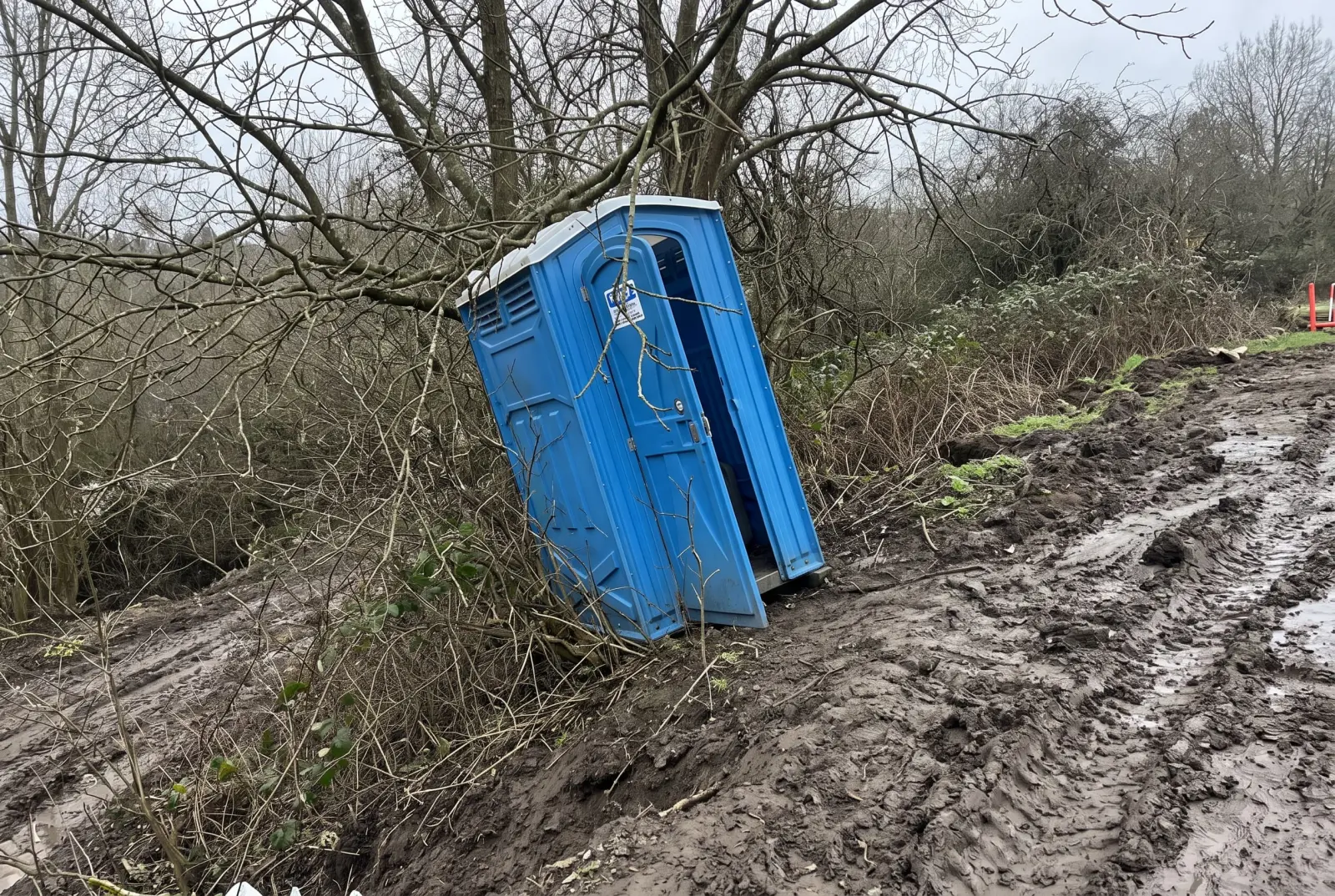
Placement to Avoid
- Steep slopes or soft, muddy ground
- Directly over storm drains, septic fields, or wellheads
- Blocking fire lanes, hydrants, or emergency exits
- Under low tree branches or power lines that block the truck's crane or lift
- Spots a service truck can't reach for the full rental period
- Directly adjacent to a water source without provider sign-off
Rules vary by provider and local health code. Some municipalities set minimum distances from wells, waterways, or food service areas. When in doubt, ask your provider before finalizing a placement spot. See our pricing guide for how site access can affect delivery cost.
How Servicing Works
For a single-day or weekend event, most units don't need mid-event servicing — they're delivered clean and stocked, then picked up when the event ends. For multi-day events, job sites, and long-term rentals, a service technician returns on a set schedule (often weekly) to pump waste tanks, restock toilet paper and hand sanitizer, and clean the unit. Higher-traffic sites — large crews, food festivals, or high guest counts — may need more frequent visits to stay ahead of usage.
Special Cases
Winter rentals. Cold weather can affect waste tank chemicals and, in freezing conditions, plumbing in flushable or trailer units. Ask your provider about winterized units or heating options if you're renting in a cold climate during winter months.
Events near water or wells. Many local health codes set a minimum setback distance between a portable toilet and a well, waterway, or floodplain. Confirm placement distance requirements with your provider or municipality, especially for rural or waterfront events.
ADA-accessible requirements. Public events generally need at least one ADA-accessible unit, positioned on an accessible route with adequate turning space in front of the door. See our ADA rental guide for specifics.
High-use events. Concerts, festivals, and events serving alcohol see higher per-guest usage than a typical private party. Planning for extra units and, if possible, an added servicing visit helps avoid units becoming unusable partway through the event.
Site Walk-Through
A Practical Checklist for Walking Your Site
Before you confirm a spot, walk it with the following details in mind. Ten minutes on site can prevent a failed delivery.
Slope and Drainage
Stand where the unit will sit and look uphill. If rain runoff would flow through the spot, choose another. Even a gentle slope can make a door swing awkwardly, and standing water softens the ground.
Overhead Clearance
Delivery trucks lift and set units from above. Look for branches, wires, awnings, and tents along the route and over the spot. Trim or choose a clearer area where you can.
Turning Radius and Route
A long truck needs wide turns. Measure gates, check for tight corners and parked cars, and consider whether the truck can leave again after the unit is set.
Distance from Food and Seating
Keep units far enough from food prep, dining tables, and ceremony areas that smell and foot traffic do not intrude, but close enough that guests will actually use them. Rules about setbacks vary locally.
Lighting and Visibility
Evening events and early work shifts need a lit approach. Signs or lights pointing the way reduce confusion, and a visible spot is a safer one.
Security and Privacy
On job sites or unattended land, consider placing units where they are visible and away from the fence line. Some providers can lock or add other measures; ask what is available.
Queues, Pathways, and Wayfinding
Even well-placed units create lines. Give people a place to stand that does not block a walkway or a door. For events, group several units together so one sign directs everybody, and leave enough room between them for a wheelchair to approach an accessible unit without crossing a line of people. For job sites, avoid clustering units along an active haul road.
Photos Help
When you request a quote, a few phone photos of the proposed spot and the approach route let a provider spot problems you may miss. Photos of gates, slopes, and overhead obstacles are especially helpful.
Placement FAQs
How much open space does a unit need?
A standard unit has a small footprint, but the truck needs room to approach and maneuver, and guests need space to queue. Larger setups such as trailers need more. Your provider can tell you the dimensions for the equipment they send.
Can units go on grass?
Generally yes, if the ground is firm and level. Soft or wet turf can let units tilt or leave ruts, and some sites lay boards or mats. Mention recent rain or irrigation when you book.
Who is responsible if the truck cannot reach the spot?
Terms are set by each provider, so ask in advance. Sharing photos of the access route and noting gates, slopes, and overhead obstructions helps avoid the problem.
Should units be lit at night?
If the site is used after dark, yes. Many basic units have no interior lighting, so plan for lit paths and entrances, or ask about units with lighting.